
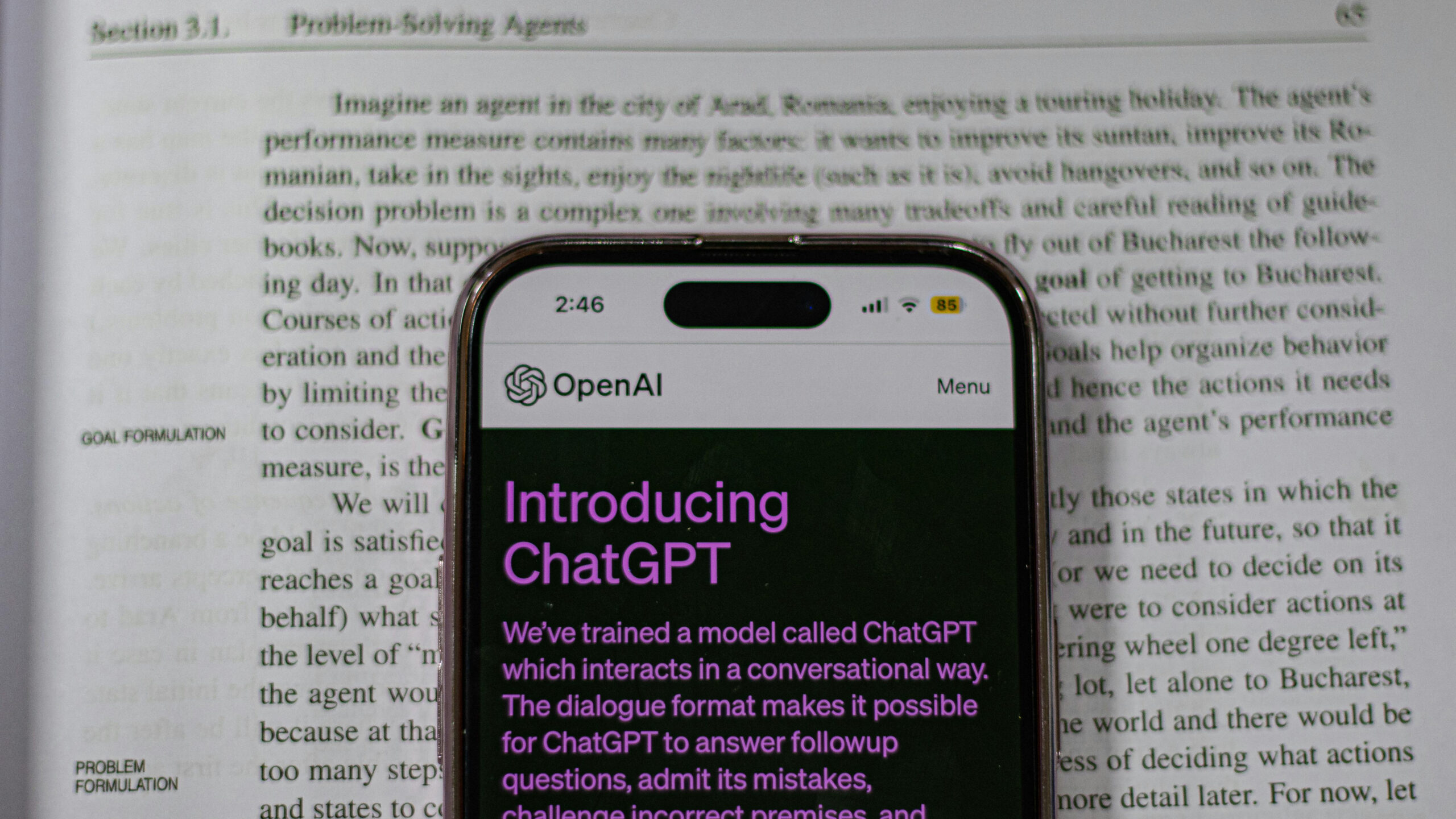
AI in Analysis: Friend or foe?
Nowadays, AI is everywhere and constantly evolving. It’s no wonder that it can be used with functional or business analysis. But when or how can it be used, and is there something you need to be aware of?
Time for AI
There are multiple situations when AI can be used.
The simplest one is providing context for the project you’re working on. You can’t know everything in life, and it can happen that you don’t know the specifics about a company’s field of expertise. A quick “Give me a summary about <project context>” will get you the basics in no time. Not only project context, but almost anything that a company uses, does, or has can be explained by AI.
During the analysis phase, AI can generate questions about certain topics. These questions can be asked to stakeholders, to gather more information. Having examples in your documentation can be useful, which is something AI can give you.
If you explain a case, AI can give you reasons why the case would have a certain outcome or predict what the outcome will be. This is useful for topics like risk analysis.
Use of AI
Is there something you need to be aware of when using AI? Certainly!
AI is a great tool to give inspiration or examples, but you are responsible for what you do with the output. The first thing you always need to do is check if the output is correct or useful. Do this by searching for whitepapers or articles written by experts to verify the accuracy of the AI output.
You also need to be cautious about what you put or give away in the prompt. You can’t just use company critical data to describe your situation. AI learns from all the data it gets, so watch out for what you give it. That’s why using high-level input is the safest method. It still gets you started and you’re sure nothing important is given to the AI and its database. Unless you have a private company license that is protected from the public internet.
Practice mode
Use case
Your project is the development of a new webshop for the automotive market. The only thing you know is that it’s an internal application and you are the designated analyst in the team. It’s your first time working in the automotive market, and you know hardly anything about cars. After some workshops and introduction meetings, the design and user-friendliness are top priorities for the new application.
Good
- “Can you describe the possible goals for a company’s internal application?”
- “What can be pitfalls of design-driven development? Are there ways to mitigate these pitfalls?”
- “What are tips and tricks when designing a webshop for car parts?”
Bad
- “Can you describe the possible goals for Quriosity’s internal webshop application?”
- “The main problem of the last application was that the user info was not secured. What can we do to improve the security?”
Conclusion
Keep your friends close, but your enemies closer. AI can be your friend, but don’t trust it blindly, because then it can become your enemy.
Situations when to use AI are at the start of a new project, during the analysis phase, and when performing a risk analysis. Use AI and let it give you inspiration or examples, be sure to check the accuracy of the output, and be careful of what you send as input, don’t use sensitive data!
We hope that this gives insight into the possible benefits and risks of using AI. Want to know more? Feel free to contact us via social media or our contact form.
Get In Touch
Ready To Boost Your Business?
